

Presentation
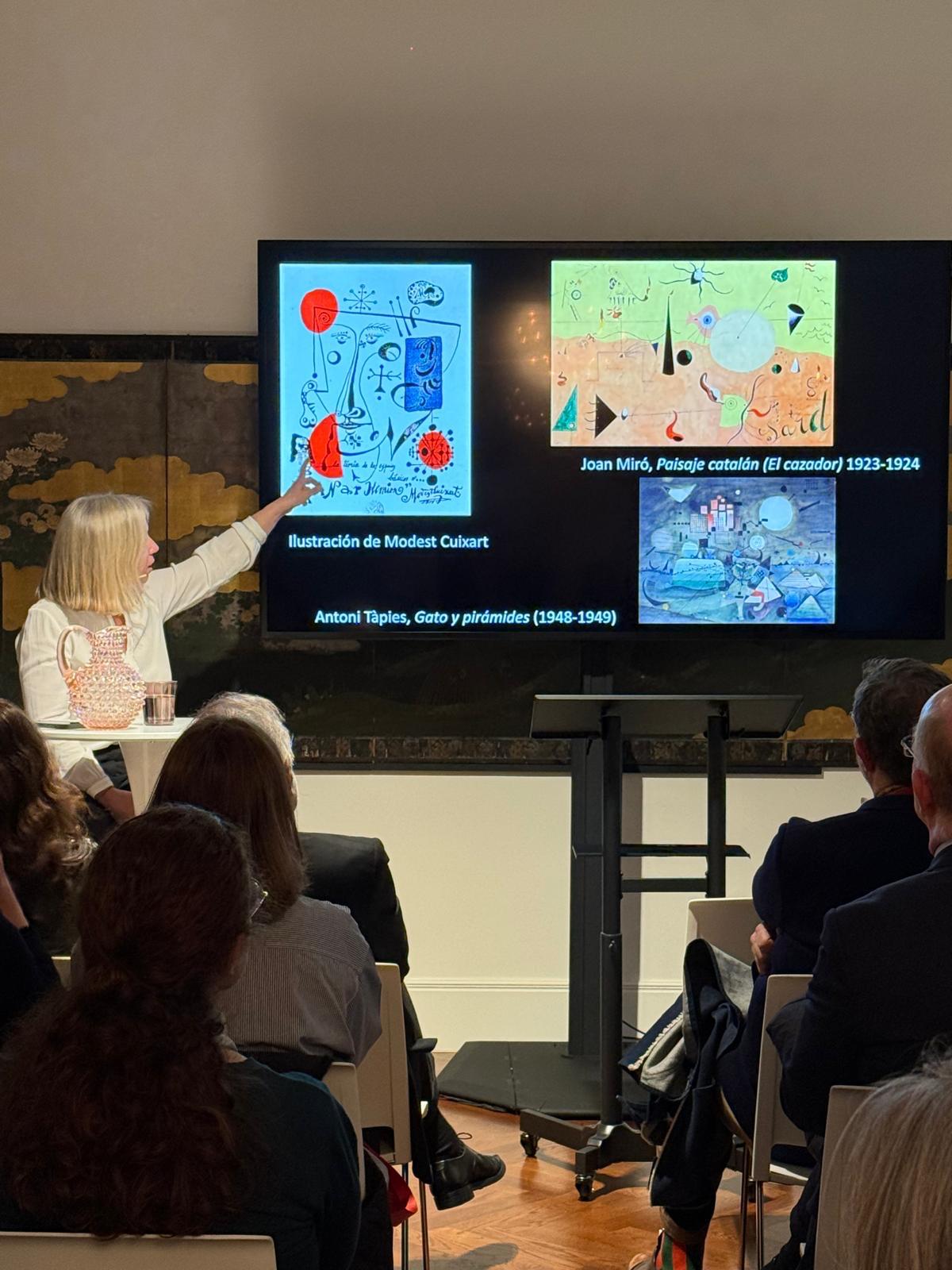
Spanish artists working during the Franco era, from Antonio Saura to Antoni Tàpies, faced a dilemma: remain cut off from the international avant-garde, or make their name at competitions organized by the regime. For most, taking part in biennials abroad was an unmatched chance to open up to the wider world without abandoning their ideals or their opposition to the dictatorship.
The Franco regime has often been accused of using avant-garde art to project an image of modernity that bore little relation to the reality of the country, yet it was through this art that Spain finally took its place on the international art scene. Positions varied: some distanced themselves from these initiatives as soon as they had gained recognition abroad; others kept participating, choosing instead to denounce the lack of freedoms.
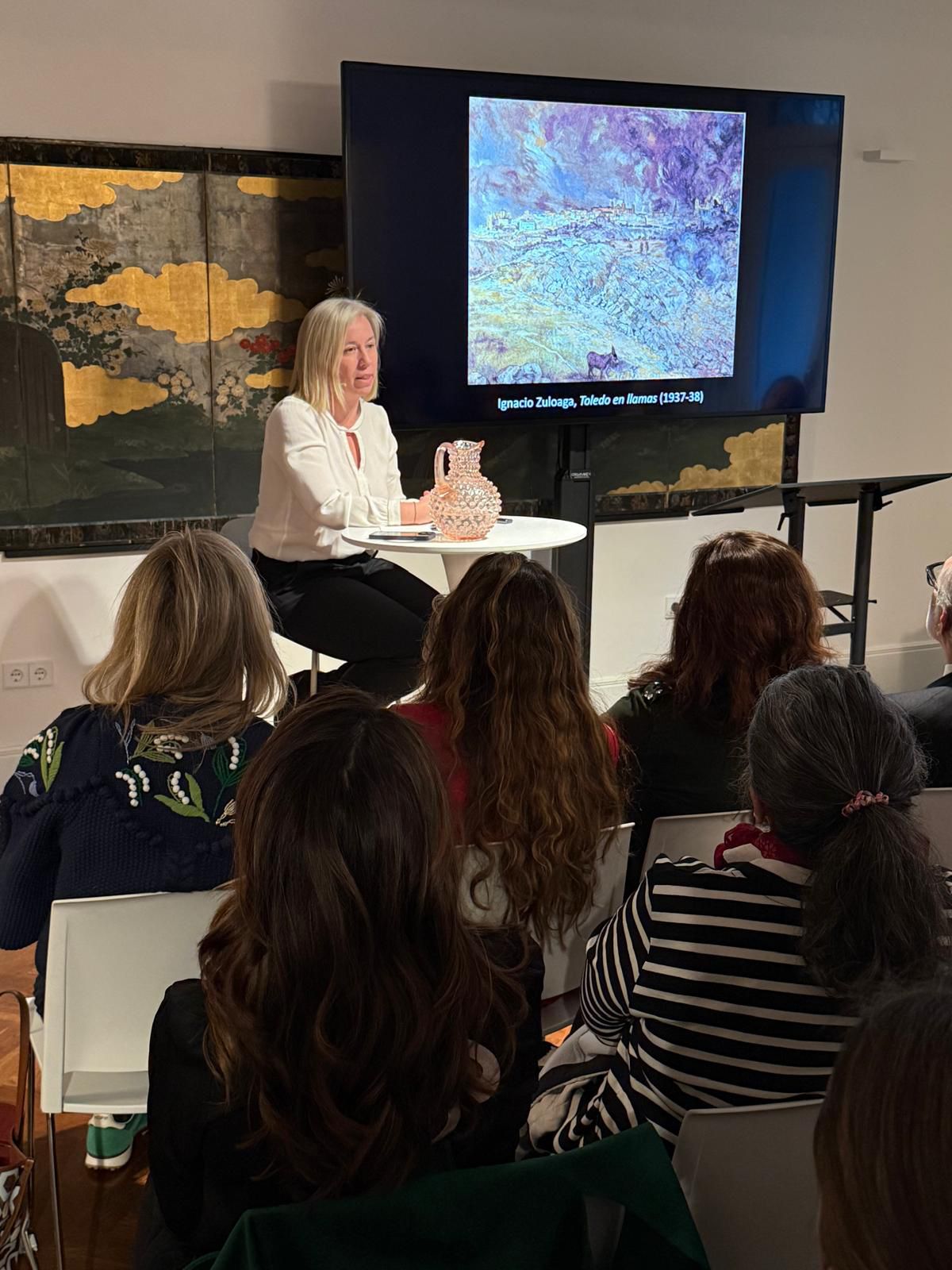
Join us for a conversation with art historian Genoveva Tusell on the difficult balance these artists struck between political defiance and international recognition.
Additional information
Limited places are available and will be assigned by registration only.
——
Image credits: Antonio Saura, Cocktail Party (1960) © Fundación Juan March
Speaker
Genoveva Tusell (Madrid, 1975) is a professor in the Department of Art History at Spain’s National University of Distance Education (UNED) who holds a PhD in Art History. Her research explores Francoism, the relationships between art and politics and the international impact of artists in the 1950s and 1960s. She has also conducted different studies on Picasso and Francoism, in addition to the arrival of Guernica to Spain. These investigations have resulted in books such as El “Guernica” recobrado. Picasso, el franquismo y la llegada de la obra a España (Cátedra, 2017).
Images
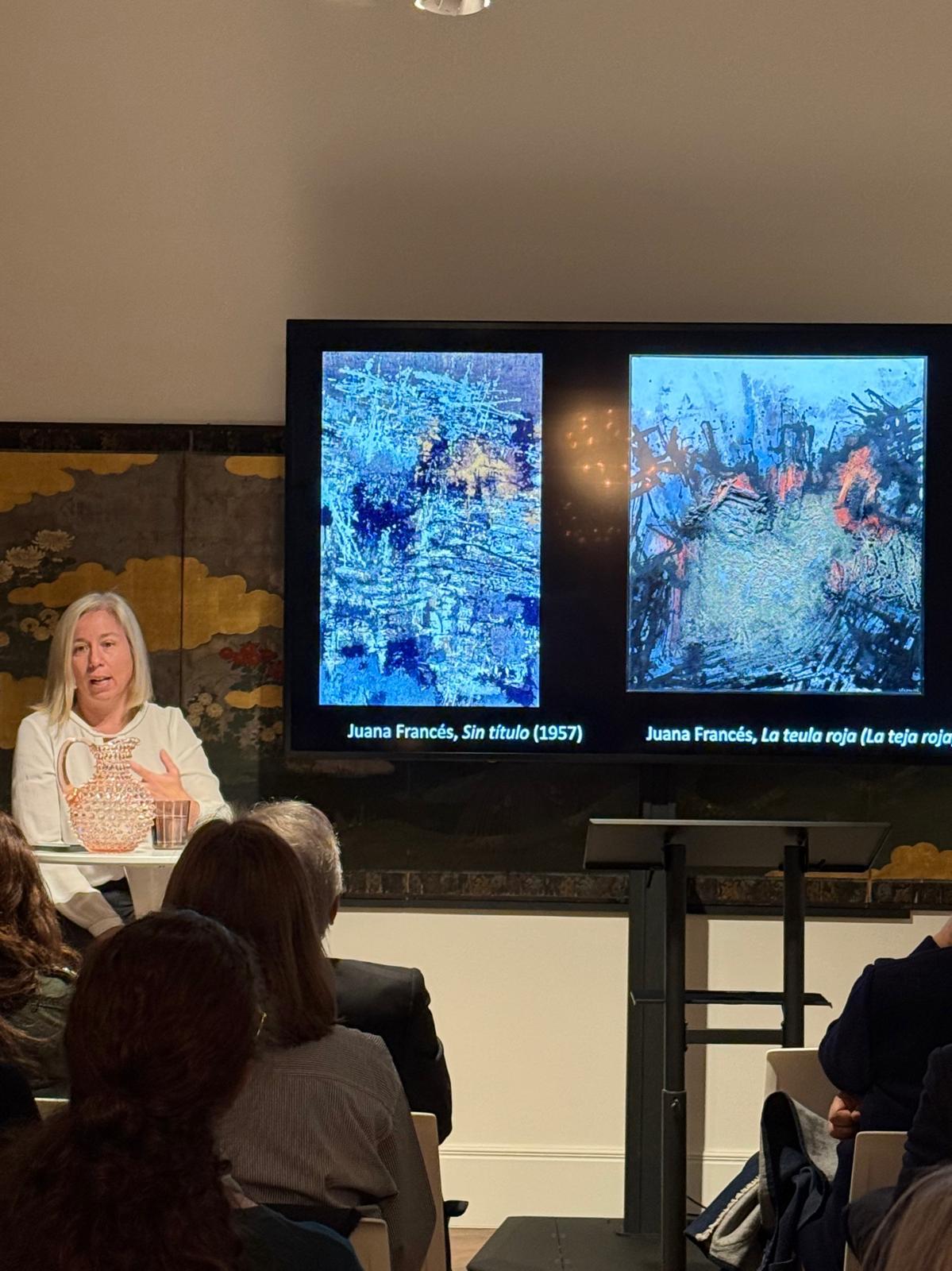
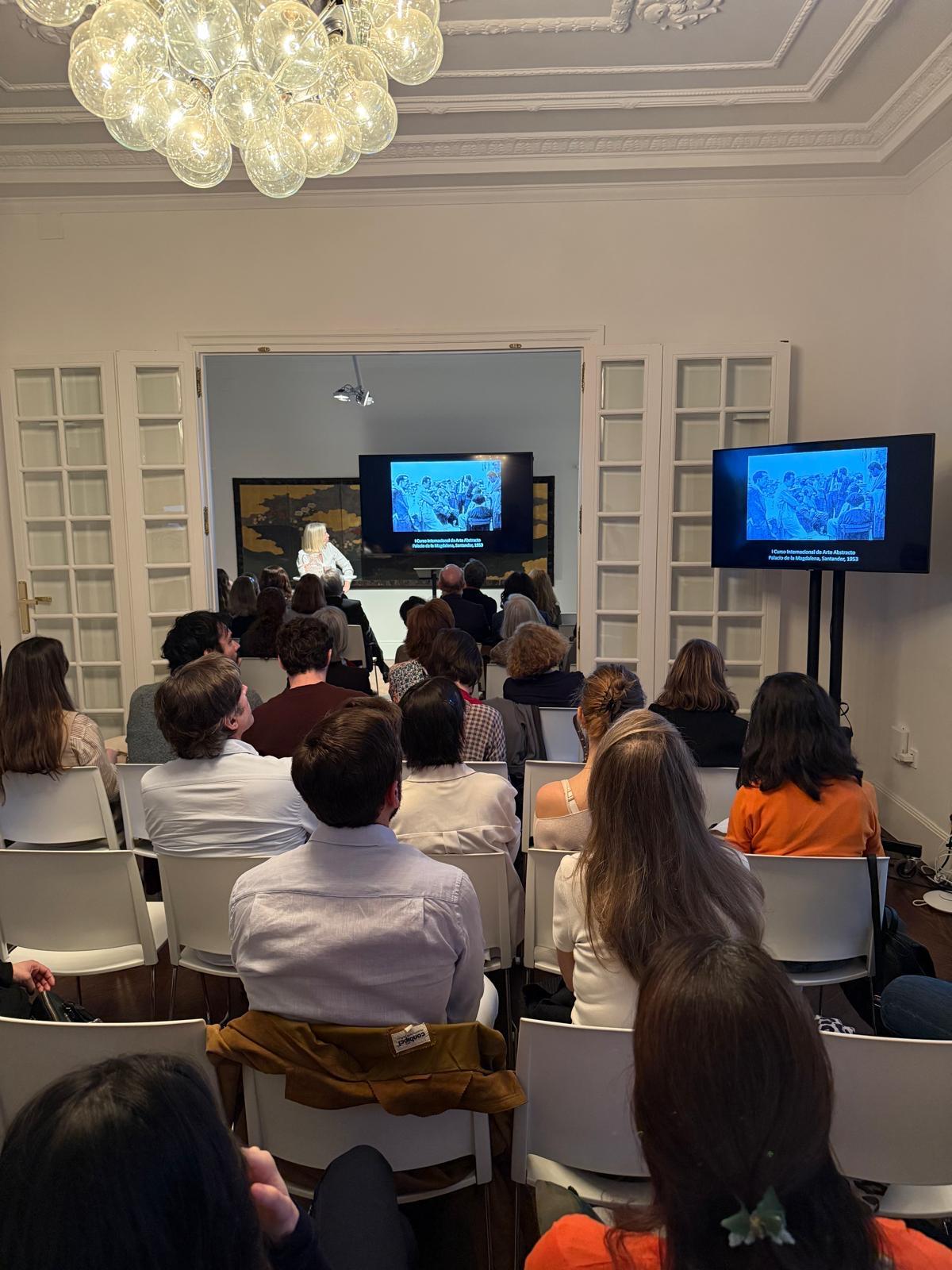
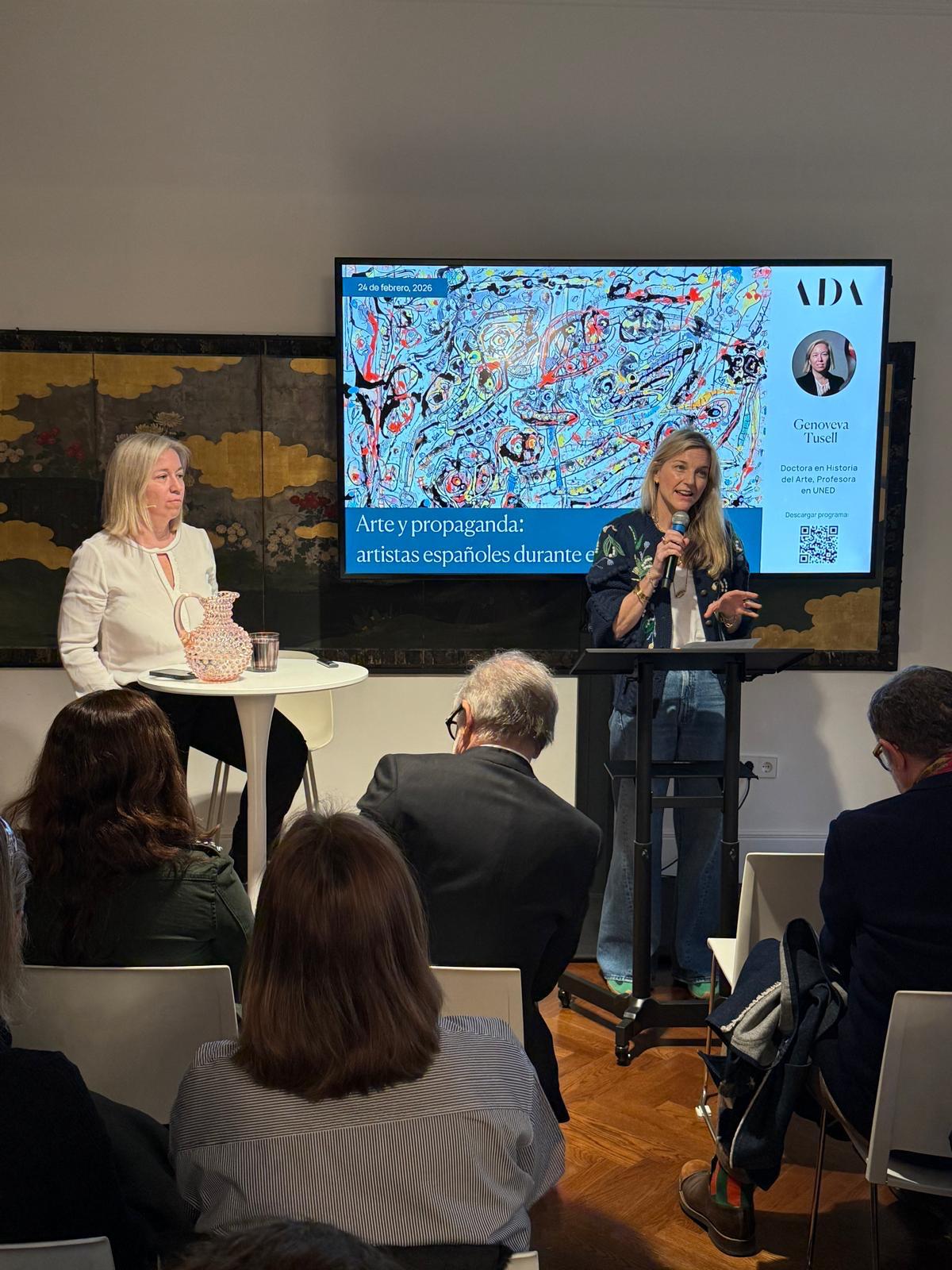
Ponente

Genoveva Tusell
PhD in Art History, Professor at UNED