

Presentation
The largest movement of works of art in the history of Spain took place during the Spanish Civil War and the years that followed. As the conflict erupted, churches were burned and palaces occupied, prompting the Government of the Republic to create, in July 1936, the Junta de Incautación y Protección del Patrimonio Artístico (Board of Seizure and Protection of Artistic Heritage). Coordinated from Valencia by a central board, it ordered the evacuation and safekeeping of thousands of Spain’s most important artworks, including a major part of the Prado’s collection and many pieces from the Royal Palace. From the autumn of 1936, these works travelled first to Valencia, then on to Catalonia, and finally, in the closing months of the war, to the seat of the League of Nations in Geneva for protection.
On the Nationalist side, Franco’s government created the Servicio de Defensa del Patrimonio Artístico Nacional (SDPAN) in 1938, tasked with recovering and returning the works once the fighting ended. Yet with the establishment of the dictatorship, a substantial proportion of the artworks, estimated at around forty per cent, were never given back. Some remained in government buildings, while the whereabouts of many others is still unknown today.
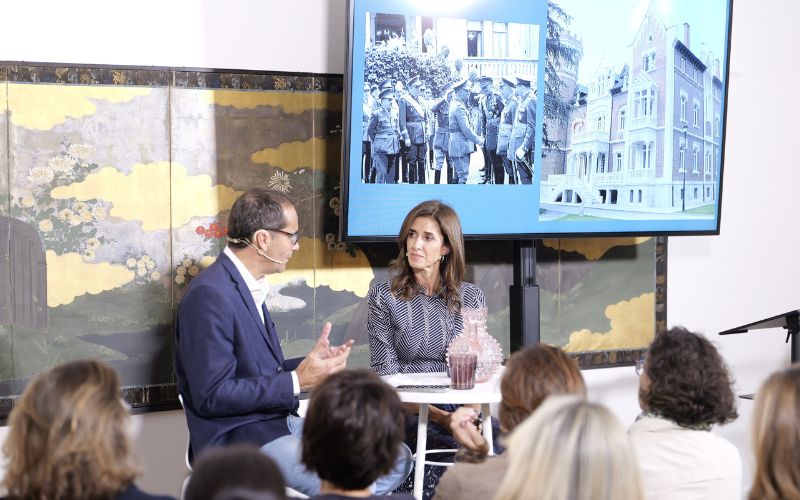
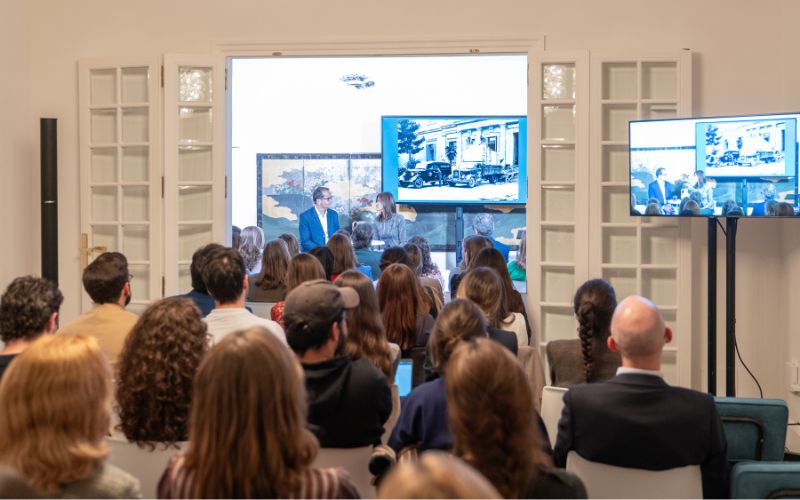
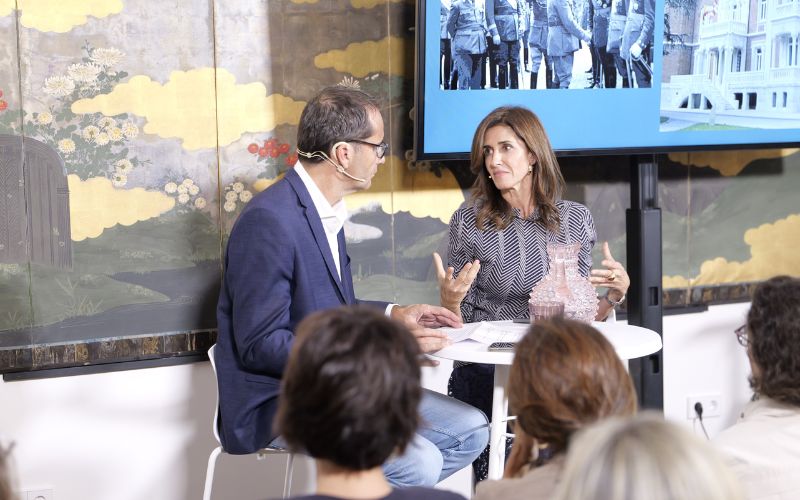
In this talk, Patricia Fernández Lorenzo will be in conversation with David Jiménez García about the history of the art confiscated during the Spanish Civil War and the Franco era, and the complex, still unfinished process of restitution.
Additional information
Limited places are available and will be assigned by registration only.
——
Image credits: ‘Cabeza de mujer con mantilla blanca’, de Joaquín Sorolla | © 2024. Museo Nacional del Prado

Become a member of ADA to access the video.
If you are a member, enter your password.
Send
Images
Speakers

Patricia Fernández Lorenzo
Legal advisor in art law at Ramón y Cajal Abogados

David Jiménez García
Spanish journalist and author