

Presentation
Creating is no longer always a solitary act. In contemporary art, creation is sometimes negotiation, collaboration, delegation. But when conflict arises, the law demands a clear answer: who is the author?
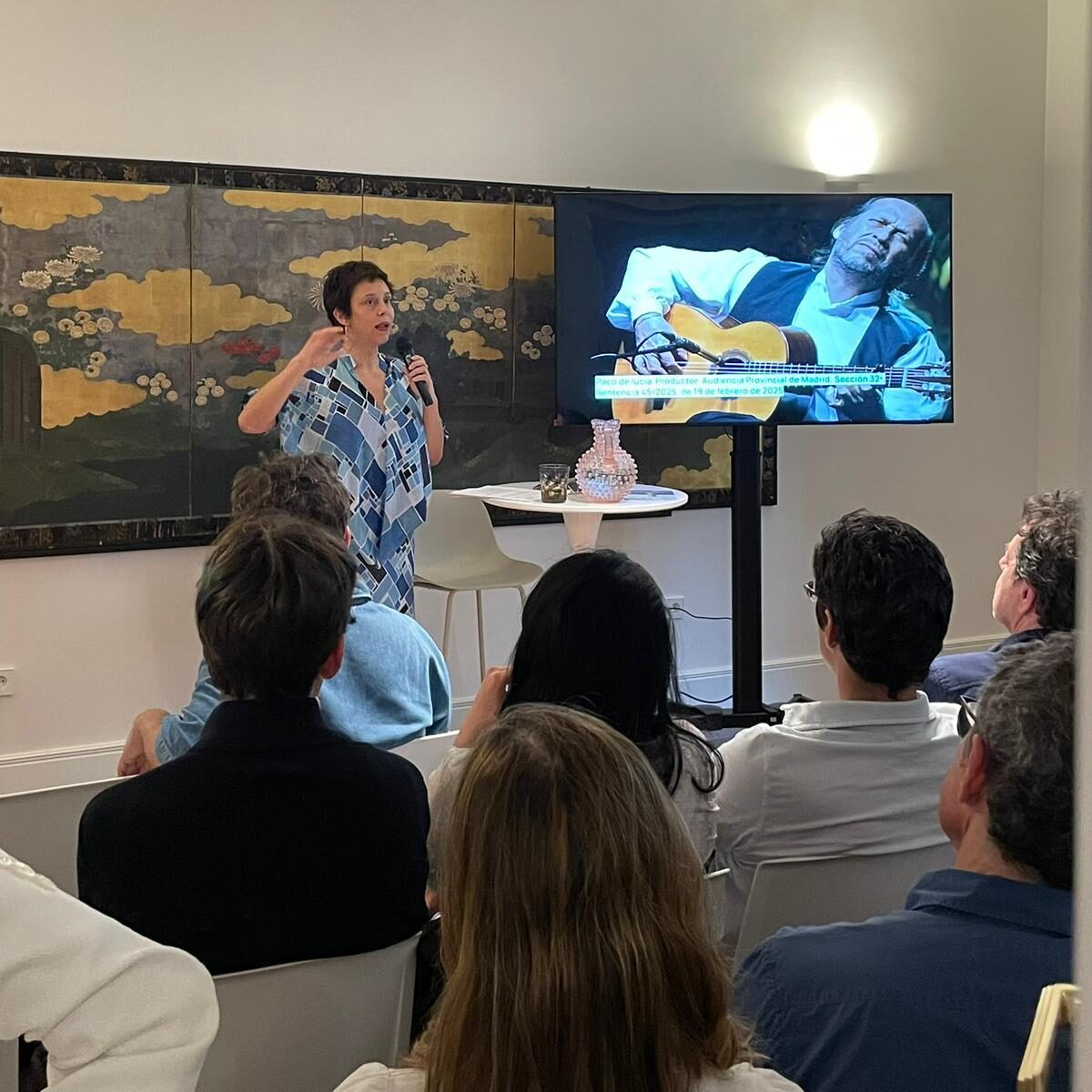
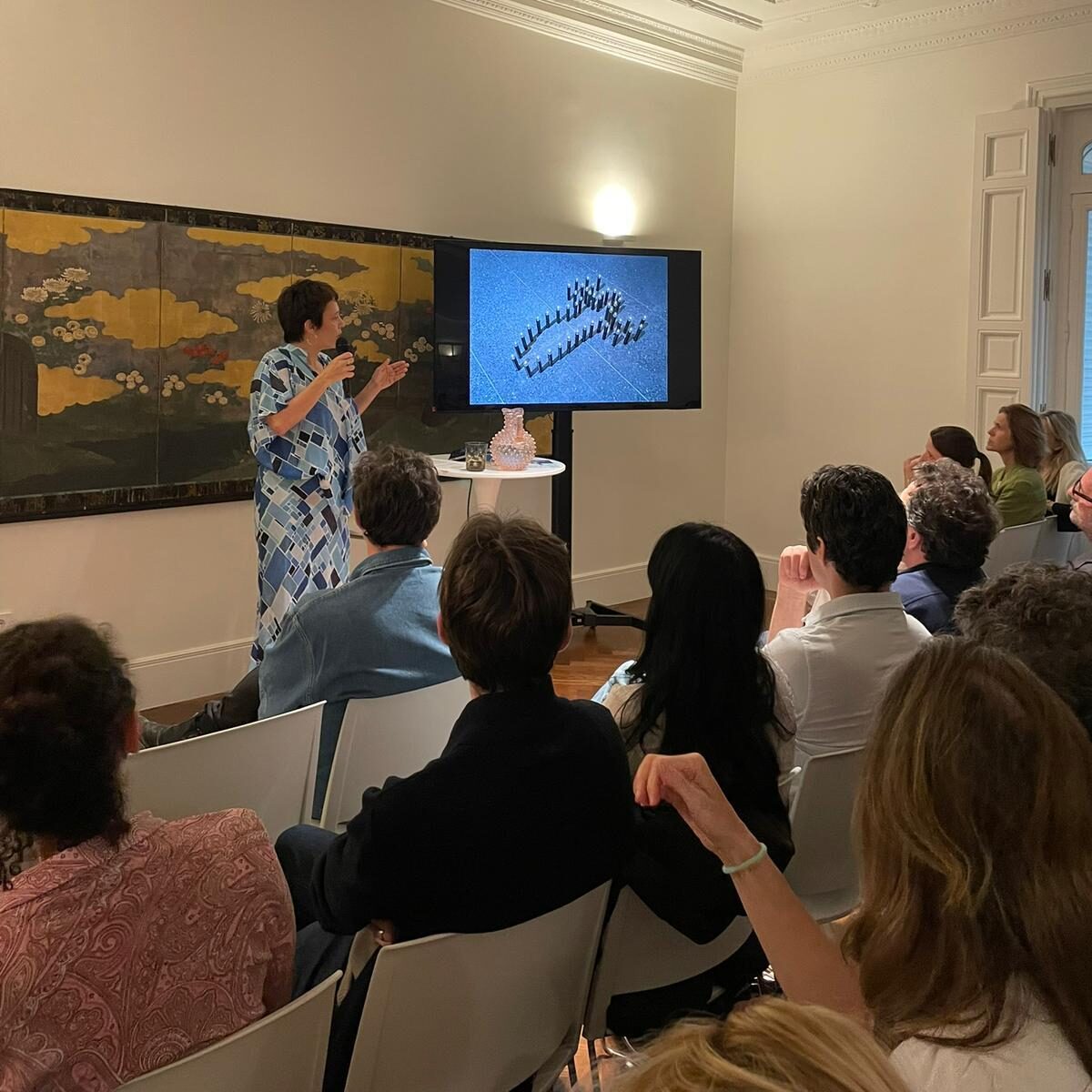
This session explores one of the most complex questions in the field of art law: when does something cease to be execution and become creation? Can a technician, a performer, or a producer claim authorship over a work? Where does the law draw the line between the one who conceives the work and the one who carries it out? When does a contribution make you an author?
To answer these questions, the session will draw on rulings from Spanish courts that have had to decide precisely within that blurred territory where commission meets creation. Specific cases, conflicting criteria, decisions that reveal as much about the law as they do about art.
Originality, creative contribution, control over the work, autonomy or dependence: are these criteria sufficient to capture what it means to create today?
A critical reflection, grounded in case law, on the limits of the concept of authorship in a world where creation is, at times, a collective endeavour.
Additional information
Limited places are available and will be assigned by registration only.
——
Image credits: Jar, Zolo Palugyay (1930) Slovakia Public Domain
Speaker
Blanca Cortés is a leading lawyer specializing in intellectual property and art law at ThinkSmartLaw. She is also a visiting professor at the Autonomous University of Madrid, ETSAM, ICADE, Carlos III University, Instituto de Empresa, University of Fine Arts and Madrid Design Festival, among others. She teaches on the relationship between intellectual property, architecture and photography. Blanca is co-founder of Camping, an initiative that opens the space of the NF gallery in Madrid to diverse cultural actors, so that they can freely develop and exhibit their projects using the exhibition space as a ground for their work and ALTTRA, a non-profit organisation whose mission is to promote globally renowned contemporary art in the Balearic Islands while placing art at the centre of the lives of inhabitants and visitors. For more information: https://thinksmartlaw.es/equipo/blanca-cortes/.
Images
Speaker
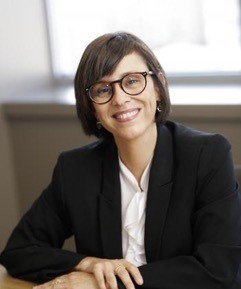
Blanca Cortés
Partner in ThinkSmartLaw. Co-Founder Foundation ALTTRA